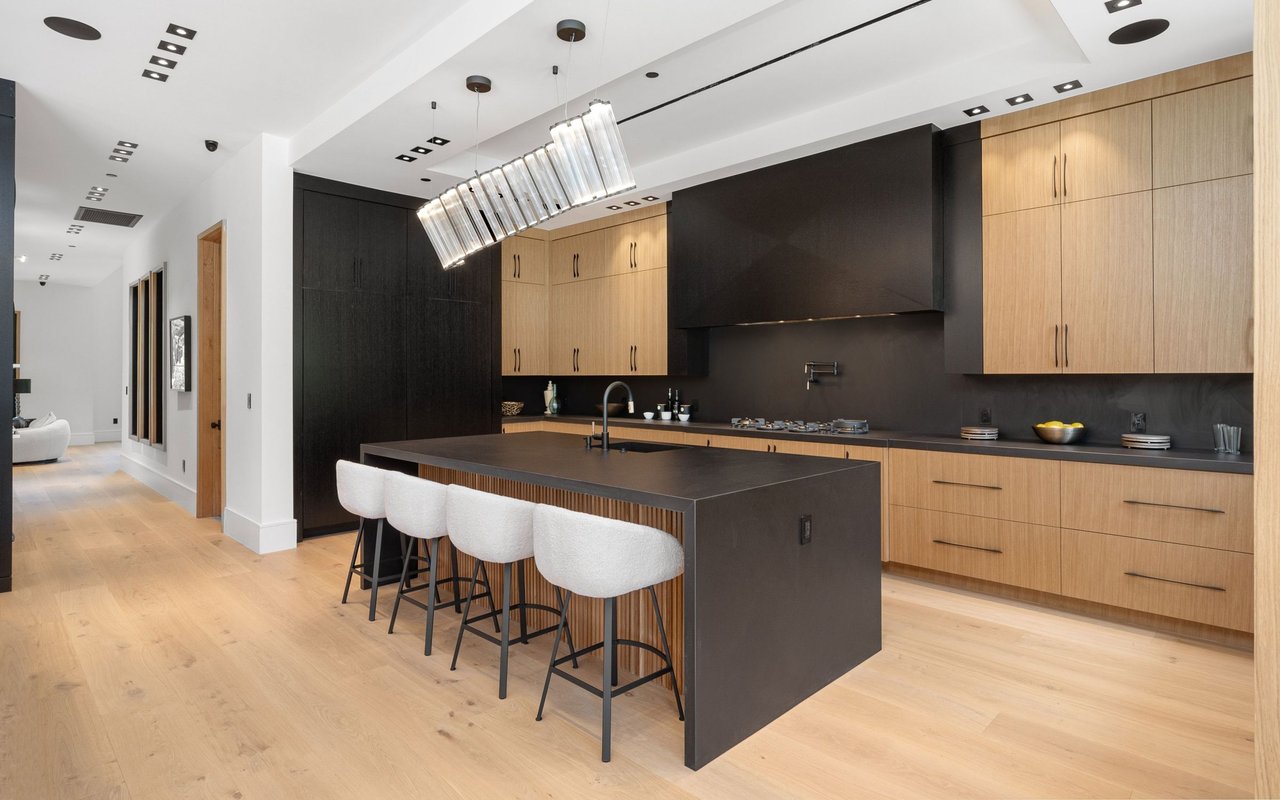
If you want top dollar in Howard County, how you market your listing in the first two weeks matters as much as your list price. You are competing for attention across portals, social feeds, and agent inboxes. With a smart launch and premium media, you can spark more showings, stronger offers, and a smoother sale. In this guide, you’ll see what pro listing marketing includes, why it works in our local market, and how to compare agents by real deliverables and outcomes. Let’s dive in.
Howard County market: why launch day counts
Howard County continues to move, and the details change month to month. The Howard County Association of REALTORS® reported a January 2026 median sold price of $515,000 and an average of 38 days on market, with active listings up 41 percent year over year. That mix means well‑priced homes can still move quickly, but buyers have options. When more listings hit at once, you need a plan that concentrates buyer attention early. You also want your agent checking HCAR’s current snapshot and neighborhood comps so your expectations match today’s pace. You can review the latest county statistics directly from the Howard County Association of REALTORS® monthly stats.
What you should take away: when inventory rises or days on market lengthen, premium marketing helps your home stand out and avoid price‑cut cycles. When inventory is tighter, the right launch can maximize showings and offers in the opening 7 to 14 days.
What premium marketing includes — and why it works
Great marketing is more than pretty pictures. Each piece plays a role in pulling qualified buyers from the internet into your front door.
Professional photography
High‑quality photos are the first filter buyers use online. Industry analyses show professionally produced images drive more page views and click‑throughs, which translates into more showings. A complete, well‑edited set also performs better in mobile search results. For a data‑backed overview on why images matter, see this synthesis of key real estate photography statistics.
3D/virtual tours and interactive floor plans
A hosted 3D walkthrough with a floor plan lets buyers understand flow and scale before they visit. It helps qualify serious interest and can attract out‑of‑area buyers who are common along the Baltimore–DC corridor. Providers and media firms highlight faster closings and higher engagement for homes with 3D tours; learn more about the format and use cases from this overview of Matterport 3D tours for listings.
Video walkthroughs and drone footage
Short, cinematic video builds emotional connection and extends your reach on social. Drone clips add real value when lot size, views, or neighborhood context are selling points. Industry white papers point to stronger engagement and, in some samples, faster sales when listings feature compelling visuals. For context on where visual trends are heading, review this brief on the future of real estate imagery.
Physical staging or strategic virtual staging
Staging helps buyers visualize how rooms live. In aggregated industry snapshots, staged listings often sell faster and closer to, or above, list price compared with non‑staged homes in the same samples. You can browse current industry data from the Real Estate Staging Association to see typical sale‑to‑list ratios and reported ROI ranges.
Listing microsite or single‑property website
A dedicated property site puts everything in one place: your best photos, 3D tour, video, floor plans, neighborhood notes, and contact forms. It also enables ad retargeting and cleaner analytics, which help your agent scale what is working. For a clear explanation of benefits, see this overview on single‑property website advantages.
Targeted online advertising and agent outreach
Paid social and search campaigns push your listing to likely buyers by geography and interest, then retarget those who engaged with your media. Benchmarks vary by market and budget, but well‑built campaigns can deliver steady inquiries during the critical first two weeks. For benchmark context, review real estate ad performance by industry. Pair this with direct email to local buyer agents and broker‑to‑broker marketing to expand reach fast.
Complete MLS entry and portal syndication
Most buyers start online, so your MLS entry needs complete fields and media to surface correctly in search. The National Association of REALTORS® highlights the internet’s central role in how buyers discover homes, and sellers consistently rank “marketing the home to buyers” among top agent expectations. You can scan NAR’s snapshot of buyer behavior here: A Snapshot of Today’s Home Buyers.
How better media turns into better offers
Think about the buyer journey. Strong photos, 3D tours, and video increase impressions and time on page. That creates more qualified showings. More qualified showings lead to stronger offer terms and fewer contingencies, which often means a faster sale and a better sale‑to‑list ratio. Staging strengthens that path by helping buyers picture themselves living there, which is why RESA’s contributed datasets show notable gains for staged homes. NAR’s research underscores the same principle: buyers value online content first, then convert to in‑person tours when the media convinces them it is worth the trip. Tie it together with targeted ads in week one, and you concentrate demand when momentum is highest.
Win the first 14 days: a simple launch plan
Here is a clear timeline you can use with your agent to stack the deck in your favor.
Pre‑listing week
- Complete repairs, paint touch‑ups, deep clean, and lawn tidy. If staging is recommended, install now.
- Schedule pro photography, 3D tour, and video. Collect utility info, upgrades list, and disclosures.
- Approve a pricing strategy anchored to HCAR data and neighborhood comps.
Day 0: go live
- Publish the MLS with complete fields and all media. Launch your microsite.
- Send a broker e‑blast and schedule a weekend open house if appropriate.
Days 1–3: drive attention
- Start paid social and search ads that click to the microsite or 3D tour.
- Post short video cuts across social. Share with neighborhood groups where allowed.
- Confirm portal placement and check analytics are tracking.
Days 4–7: convert interest
- Review first‑week report: impressions, views, saves, ad performance, and showing volume.
- If engagement is strong, hold steady. If not, adjust creative, ad audience, or showing access.
Days 8–14: sustain momentum
- Refresh front‑image and headline on the MLS if early traction slows.
- Rotate ad creative and re‑email buyer‑agent lists with updated highlights.
- Prepare for offer review with clear deadlines and communication.
How to interview agents: compare plans, not pitches
You will get better results when you choose an agent who can show, not just tell. Use this checklist to score each presentation.
Deliverables to require in writing
- Photography: number of images, sample galleries, and who edits. Ask to see analytics from a similar, recently sold local listing. A useful primer on impact is this roundup of photography statistics.
- 3D tour: platform used, hosting length, and example reports showing views and engagement. For format context, review how 3D tours support listings.
- Video and drone: length, social cutdowns, and where the content will run.
- Staging: scope, budget range, and examples. Compare recommendations to RESA’s staging statistics.
- Microsite: sample site, lead capture plan, and analytics dashboard. See benefits of single‑property websites.
- Paid ads: channels, targeting, and budget with a forecast of impressions and leads. For context on targets, see ad benchmarks by industry.
- MLS entry and outreach: confirmation that all fields and features will be complete, plus agent‑to‑agent marketing.
Reporting and accountability
- Weekly reporting cadence with a sample dashboard showing portal views, saves, microsite traffic, ad spend, inquiries, showing counts, and recommendations.
- A single point of contact and clear response times.
Cost planning to clarify up front
Nationally, common ranges can help you plan. Photography often runs a few hundred dollars, 3D tours and short videos vary by home size, and staging budgets depend on scope. Ask your agent for local quotes and who pays for what. The key is transparency: itemize each deliverable and lock the plan before going live.
Smart questions to ask
- “Show me three Howard County listings you marketed in my price tier, with media links, ad budgets, and final sale price vs. list price.”
- “What is the timeline from signing to live listing, including staging, photography, 3D, and video?”
- “What is the recommended ad budget to reach likely buyers for my neighborhood, and how will you measure success?”
- “When will I get the first performance report, and what decisions will we make from it?”
- “If we do not see traction in the first week, what are your contingency steps?”
Why this approach fits Howard County
Howard County buyers often balance commute access, community amenities, and flexible space needs. Many are relocating within the Baltimore–DC region, and some shop from a distance. That makes high‑quality media, complete online information, and easy showing access even more important. When you deploy pro images, 3D tours, and video, then amplify with targeted ads and agent outreach, you reach more of those qualified buyers faster. Local data from HCAR’s monthly stats helps you price with confidence, while staging and strong media help your home compete head‑to‑head.
If you are ready to sell, partner with a team that brings a marketing‑first mindset and a proven vendor network. As a boutique group based in Columbia, we coordinate staging, media, microsites, paid distribution, and weekly reporting so you can focus on your move. Want a clear, custom plan for your home and timeline? Reach out to Steven Huffman to get your Free Home Valuation and a complete launch strategy.
FAQs
What does the current Howard County market mean for my sale timeline?
- HCAR reported a January 2026 median sold price of $515,000 and 38 days on market; with active listings up year over year, a strong launch and accurate pricing help you capture early buyer attention.
Which listing marketing pieces have the biggest impact on buyers?
- Professional photos, 3D/virtual tours, and video do the heavy lifting online, supported by staging and targeted ads; NAR research shows buyers rely on internet listings first, and RESA data links staging to faster, stronger outcomes.
Do 3D tours actually help in suburban Maryland markets like Howard County?
- Yes; 3D tours increase engagement and help qualify serious buyers, including those relocating within the Baltimore–DC corridor; media firms and providers document faster decisions and better online conversion with 3D assets.
Is staging worth the cost for my Howard County home?
- Often yes; industry snapshots from RESA show staged listings in their samples achieving higher sale‑to‑list ratios and shorter days on market compared with non‑staged comparables.
How long should we run paid ads for a new listing?
- Concentrate spend in the first 7 to 14 days to maximize early momentum, then taper or refresh creative based on weekly report data and showing feedback.
How can I compare two agents’ marketing plans fairly?
- Ask each agent for a written deliverables list, past listing examples with analytics, an ad budget and timeline, a sample weekly report, and who pays for each item; score them on scope, clarity, track record, and transparency.