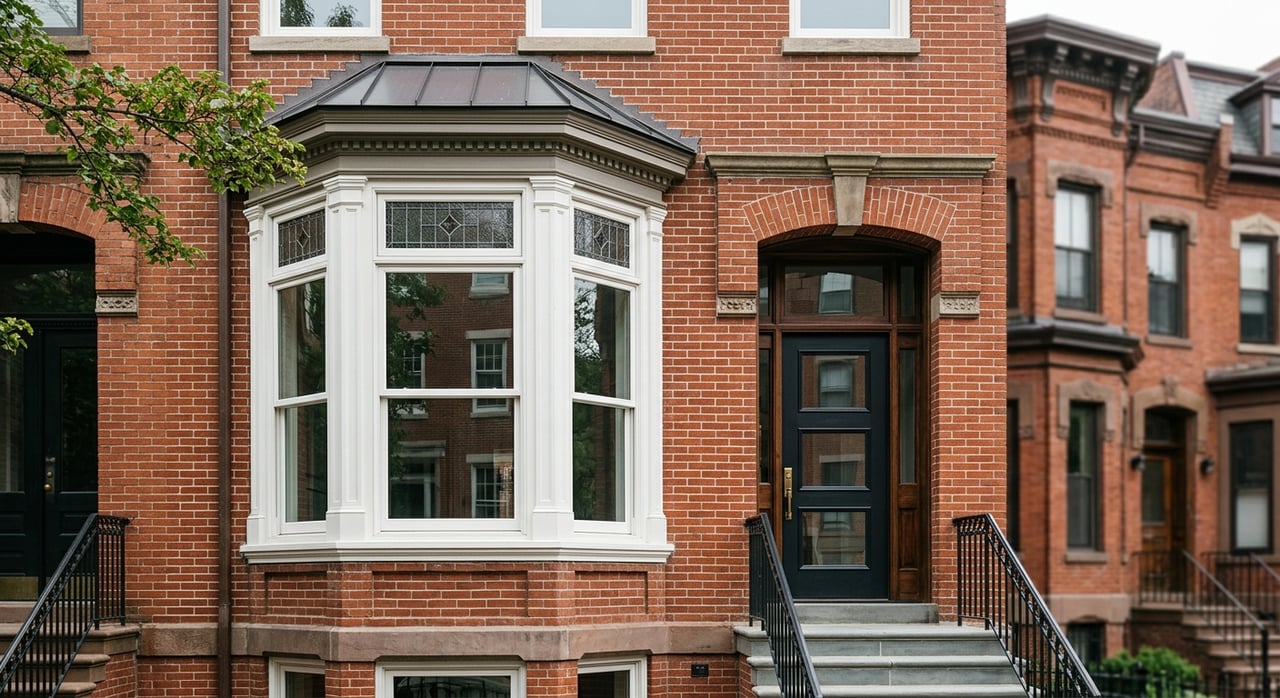
Shopping for a Baltimore rowhome can feel exciting and a little overwhelming at the same time. One block may have simple brick houses with compact layouts, while the next has taller homes with ornate cornices, bay fronts, or porch-front designs. If you want to buy with confidence, it helps to understand how style, age, and renovation history can affect what you see, what may be allowed, and what deserves a closer look. Let’s dive in.
Why Baltimore rowhomes vary so much
Baltimore rowhomes are not one single product. As Baltimore Heritage explains in its overview of the rowhouse form, the city’s rowhouses range from highly detailed three-story homes to narrow alley houses, all tied together by a brick, street-facing urban design that changed over time.
For you as a buyer, that means two rowhomes can look similar in photos but live very differently in person. The era, width, depth, and neighborhood context can shape everything from ceiling height and staircase layout to natural light and renovation options.
Common Baltimore rowhome styles
Early Federal and Greek Revival rows
Some of Baltimore’s older rowhomes were built as one-room-deep or two-room-deep houses with steep or low-pitched roofs, dormers, simple lintels, low basements, and rear kitchens. According to CHAP’s Federal Hill staff report, these homes were often compact houses with limited exterior ornament.
In listings, these homes often read as the simplest style family. You may notice narrow brick fronts, minimal trim, and rooflines that carry much of the visual character. CHAP’s Railroad district materials also note Greek Revival-inspired alley houses with corbelled brick cornices and simple interior trim.
Italianate and Victorian-era rows
By the mid-to-late 1800s, many Baltimore rowhouses became more decorative. CHAP district materials for Madison Park describe examples with bracketed cornices, taller windows, bay or bowed fronts, and details influenced by styles such as Italianate, Queen Anne, Second Empire, and Romanesque Revival.
Baltimore Heritage also notes that pressed brick became common after the 1850s, while Roman brick around 1890 became associated with later rowhouses and Renaissance Revival influences. If you are drawn to more architectural detail, this is often the style family where you will see it.
Early-20th-century daylight and porch-front homes
As the city developed, some rowhouse neighborhoods shifted toward homes that felt shorter, wider, and more open. CHAP’s Coldstream Homestead Montebello overview describes the move from long, narrow Italianate houses to daylight-period houses with a more suburban feel, often including front porches, small front yards, or garage access in some districts.
For buyers, these homes can feel easier to compare with more modern layouts. They may offer a bit more width, a different flow, and stronger separation between indoor and outdoor space than many 19th-century rowhomes.
What layouts mean for your search
Narrow plans change how space feels
Older Baltimore rowhomes often have narrow front-to-back footprints, compact stairs, low basements, and rear kitchens or rear ells. CHAP also notes that historic rowhouses commonly used shared brick partition walls and a single roof unit across a row.
That matters when you tour homes. A listing may advertise similar square footage to another property, but the layout may feel very different based on width, stair placement, and whether the home is one-room-deep or two-room-deep.
Alley houses are a distinct category
Baltimore’s alley houses are a smaller variation of the city’s rowhouse tradition. CHAP’s Sarah Ann Street materials describe them as an integral but increasingly rare part of Baltimore’s housing fabric.
If you are considering one, pay close attention to scale and storage. These homes can offer charm and location advantages, but their compact design may require a different approach to furniture, renovation plans, and long-term fit.
Daylight homes often feel more open
Early-20th-century daylight and porch-front houses usually feel more spacious because they are often shorter and wider. That distinction can be especially important if you are comparing a late-1800s rowhome with a 1920s or 1930s renovation candidate.
In practical terms, your daily experience may come down less to total square footage and more to how the home uses its width, light, and room placement. Touring a few style families back-to-back can help you quickly identify what fits your lifestyle best.
Renovations to look at carefully
Permits matter in Baltimore City
Many common rehab items require permits in Baltimore, including structural work, electrical, plumbing, gas, mechanical systems, wall removal, new HVAC, roofing, decks, windows, doors, siding, chimneys, and fences. The city’s Permit Handbook explains that permits help show work was done safely and in compliance with code.
If a home has visible updates, ask whether the work was permitted. A polished kitchen or finished basement may look great, but permit history can give you a better sense of whether the improvements were properly reviewed.
Historic district rules can affect exterior changes
If a rowhome is in a Baltimore City historic district or is individually designated, exterior changes may also require CHAP review and an Authorization to Proceed before a permit can be issued. Under Baltimore City Code, this can apply to exterior alterations, color changes, excavation, exterior structures, and demolition.
This is not necessarily a negative. It simply means you should understand the review process if you hope to replace windows, alter exterior materials, add a deck, or make other visible changes.
Masonry deserves close attention
Older brick rowhomes need maintenance that respects historic materials. CHAP’s design guidelines explain that historic masonry is porous and should be protected from water infiltration through sound roofing, drainage, and mortar joints.
The same guidelines warn against waterproof coatings that can trap moisture. They also recommend checking for cracks, spalling, open mortar joints, movement, and signs of dampness inside the home.
Brick repair is not one-size-fits-all
For older rowhouses, compatible mortar and in-kind brick repair matter. CHAP recommends matching the existing color, texture, joint profile, and hardness rather than using harder modern mortars or synthetic caulking as a substitute.
As a buyer, you do not need to become a preservation expert overnight. You just want to notice whether repairs look thoughtful and consistent, especially on exterior walls, parapets, and other exposed brick areas.
Buyer tips for showings and offers
Ask about historic status early
Baltimore City requires sellers to disclose whether a property is in a historic district or on a landmark list before a contract is signed. That makes this one of the easiest and most important early questions to ask.
Historic status can affect future projects, timelines, and budget. If you know your renovation goals upfront, you can better decide whether a specific property is the right fit.
Review permit history for visible updates
If the home has a new roof, deck, HVAC system, open floor plan, or major exterior changes, ask for permit information. The city notes that unpermitted work can lead to fines and other penalties, and some projects that seem minor may still require permits in CHAP districts.
This step can help you avoid surprises after closing. It can also give you leverage to ask better questions during inspections and negotiations.
Confirm contractor licensing
For home improvement work in Maryland, you should verify whether contractors were properly licensed. The state says MHIC-licensed contractors must meet licensing requirements, and consumer contracts should include the contractor’s business information and MHIC license number.
This matters because licensed work offers added consumer protections, including access to the Guaranty Fund in eligible situations. If a seller renovated recently, this is a smart document request.
Check lead disclosures for older homes
If the home was built before 1978, ask for lead disclosure paperwork and any available prior testing records. The EPA’s lead disclosure guidance notes that most pre-1978 housing is subject to lead disclosure requirements, and older homes are more likely to contain lead-based paint.
If painted surfaces were disturbed during renovation, that can also raise questions about whether proper renovation practices were followed. It is another good reason to ask detailed follow-up questions on older rehabs.
Do not overlook ground rent
Baltimore buyers should also ask whether a property has ground rent. Maryland’s ground rent information through SDAT notes that registry checks can help, but title work is still important because the registry does not perform title searches.
In other words, do not assume the listing tells the full story. Ground rent is something you want confirmed during the transaction process.
A simple rowhome showing checklist
When you tour a Baltimore rowhome, keep this quick checklist in mind:
- Ask what era and style family the home likely falls into
- Look at width, stair placement, and room flow, not just total square footage
- Ask whether the property is in a historic district or on a landmark list
- Request permit history for major visible renovations
- Look closely at brick, mortar joints, signs of moisture, and roof drainage
- Ask for contractor licensing details on recent renovations when available
- Request lead disclosure paperwork for pre-1978 homes
- Confirm whether ground rent applies through title and registry research
Baltimore rowhomes offer a wide range of architecture, layout types, and renovation potential. If you understand what you are seeing and ask the right questions early, you can move forward with much more clarity. If you are planning a move in Baltimore City or nearby, Steven Huffman can help you evaluate homes, spot key questions before you offer, and navigate the process with confidence.
FAQs
What makes Baltimore City rowhomes different from one another?
- Baltimore City rowhomes vary by era, neighborhood, width, layout, and level of exterior detail, so two homes can look similar online but differ a lot in design, condition, and renovation flexibility.
What should buyers ask about Baltimore City historic district rowhomes?
- You should ask whether the home is in a historic district or on a landmark list because exterior changes may require CHAP review and can affect future renovation plans.
What renovations usually require permits for Baltimore City rowhomes?
- Common projects that often require permits include structural changes, electrical, plumbing, gas, HVAC, wall removal, roofing, decks, windows, doors, siding, chimneys, and many other exterior improvements.
What should buyers inspect on older Baltimore City brick rowhomes?
- You should pay close attention to brick condition, mortar joints, signs of water intrusion, roof drainage, cracks, spalling, and interior dampness, since masonry condition can be a major maintenance factor.
What documents should buyers request for renovated Baltimore City rowhomes?
- You should request permit records for major updates, contractor licensing details for recent work, lead disclosure documents for pre-1978 homes, and confirmation of any ground rent during title review.
Are Baltimore City alley houses different from standard rowhomes?
- Yes, alley houses are a smaller and more compact version of Baltimore’s rowhouse tradition, and buyers should carefully consider storage, layout efficiency, and long-term fit before purchasing one.